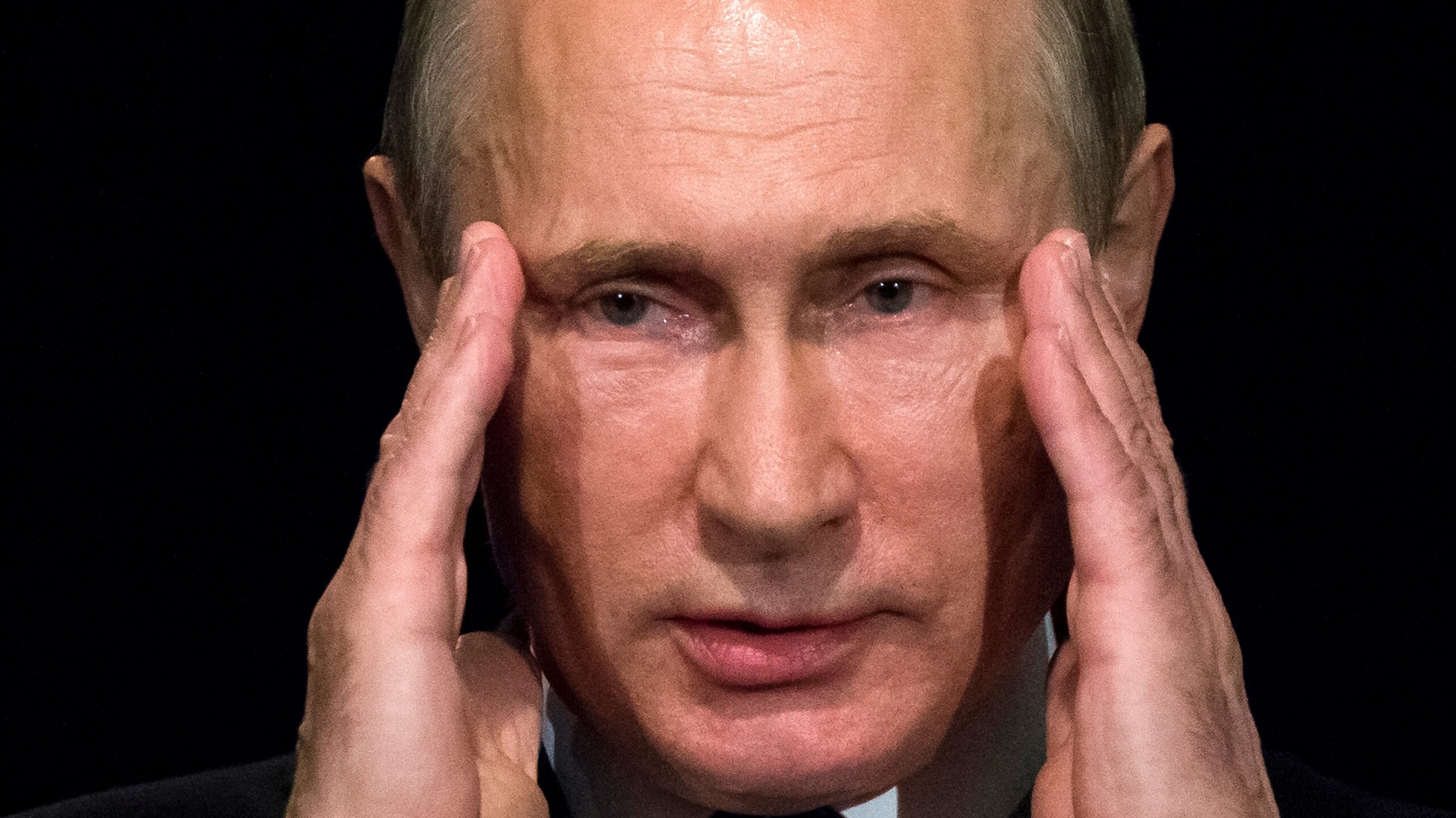
Putin Humiliated as Wave of Attacks Devastates New Target
Russian President Vladimir Putin is facing a mounting wall of crises at home and abroad as a relentless wave of Ukrainian drone strikes inflicts heavy damage on his country’s critical economic infrastructure.
Read more Tourist Dies in 116-Degree Death Valley Ordeal
Four logistics hubs owned by Russia’s second-largest online retailer, Ozon, were targeted in strikes across southern Russia overnight into Monday, bringing the total number of hit facilities to six since Saturday, according to the Kyiv Post.
Ozon confirmed a fire erupted at its Makhachkala facility in the Dagestan Republic, injuring several people and forcing the hub to halt operations completely. Workers at warehouses in Adygeysk and Nevinnomyssk were forced to evacuate, while a large fire broke out at its facility in Enem in the Krasnodar region. Ozon said its facilities in Adygeya and Stavropol escaped damage.
The financial fallout across the Russian economy intensified as Ozon shares plunged nearly 30 percent after the drone strikes. Ozon shares fell as much as 29 percent on the Moscow Exchange, from Friday’s close of 2,979 rubles to 2,112.50 rubles, before partially recovering. Shares in major shareholder AFK Sistema fell more than 17 percent, while the benchmark Moscow Exchange Index was down 2.59 percent by late morning.
The strikes coincided with Ukraine’s Independence Day, marking 35 years since the nation declared independence from the Soviet Union. In Krasnodar—155 miles from occupied Berdiansk and 227 miles from Ukrainian-held territory near Orikhiv—a facility belonging to home goods retailer Kuchenland caught fire.
Krasnodar Krai Governor Veniamin Kondratyev claimed that falling drone debris struck a childcare center, killing two children and injuring seven others alongside two adults, while also setting fire to residential buildings, apartment blocks under construction, and nearby warehouses. In occupied Crimea, four separate strikes sparked a massive fire at a military radar tracking unit.
The offensive against Ozon follows a strategic campaign launched weeks ago against Wildberries, Russia’s largest online retailer, which Kyiv accuses of supplying components to the Russian military.
On Aug. 16, Ukrainian forces announced they had successfully disabled seven of Wildberries’ 10 largest logistics centers. Often referred to as “Russia’s Amazon,” the two e-commerce giants dominate the country’s fast-growing sector, and their destroyed facilities have cost Russian businesses and the war machine billions of dollars.
Read more MAGA Senator Melts Down Over Talk About Trump’s ‘Pretty’ Blonde Aide, 35
On Sunday, an armada of drones set fire to yet another Wildberries facility, killing six people. Ukraine has now hammered over 20 Wildberries warehouses since July.
The commercial strikes compound an array of brutal setbacks for Putin, whose military faces its largest equipment depletion in 80 years, according to independent Russian outlet The Insider.
Russian citizens are also growing increasingly frustrated amid an escalating domestic fuel crisis triggered by Ukrainian drones hammering oil refineries across the country. The compounded economic and military fallout has taken a heavy toll on the Kremlin’s standing as Putin suffered his sharpest drop in approval ratings last month since launching his full-scale invasion of Ukraine.
It comes as ordinary Russians panic over the deteriorating situation, pulling nearly $3.4 billion from their bank accounts in the first two weeks of August alone over fears that Putin will seize their savings to finance his war.
According to Sberbank senior executive Taras Skvortsov, capital flight could double the amount drained during the initial 2022 invasion, leaving banks facing severe liquidity shortages while forced to bankroll state-directed wartime lending.
“Drones are flying. Things are burning down. Nervousness is growing. And people’s everyday wisdom may be kicking in that they need to have cash under their pillow,” a former finance official told The Washington Post, noting people are pulling out half a trillion rubles ($5.9 billion) a month.
Central Bank figures reveal big businesses transferred over $9.4 billion out of Russia in Q2 of 2026, forcing the Finance Ministry to cancel planned state bond sales altogether as cash dried up.
Read more Southwest Flight Attendant Mysteriously Found Dead During Layover











Post Comment