Murdoch Paper Humiliates Trump With Scathing Weakness Verdict
Rupert Murdoch’s flagship newspaper savaged Donald Trump after the president finally conceded that he needed to cut a deal with Iran to avoid a global “economic catastrophe.”
Read more Trump’s Botched Vanity Project Fiasco Just Got Even More Embarrassing
The Wall Street Journal, which Trump called a “rotten” newspaper in an unhinged attack aboard Air Force One last May, unloaded on Trump on Thursday after the president defended his tentative agreement with Tehran, which he insisted would prevent Iran from obtaining a nuclear weapon while ending months of economic disruption tied to the conflict.
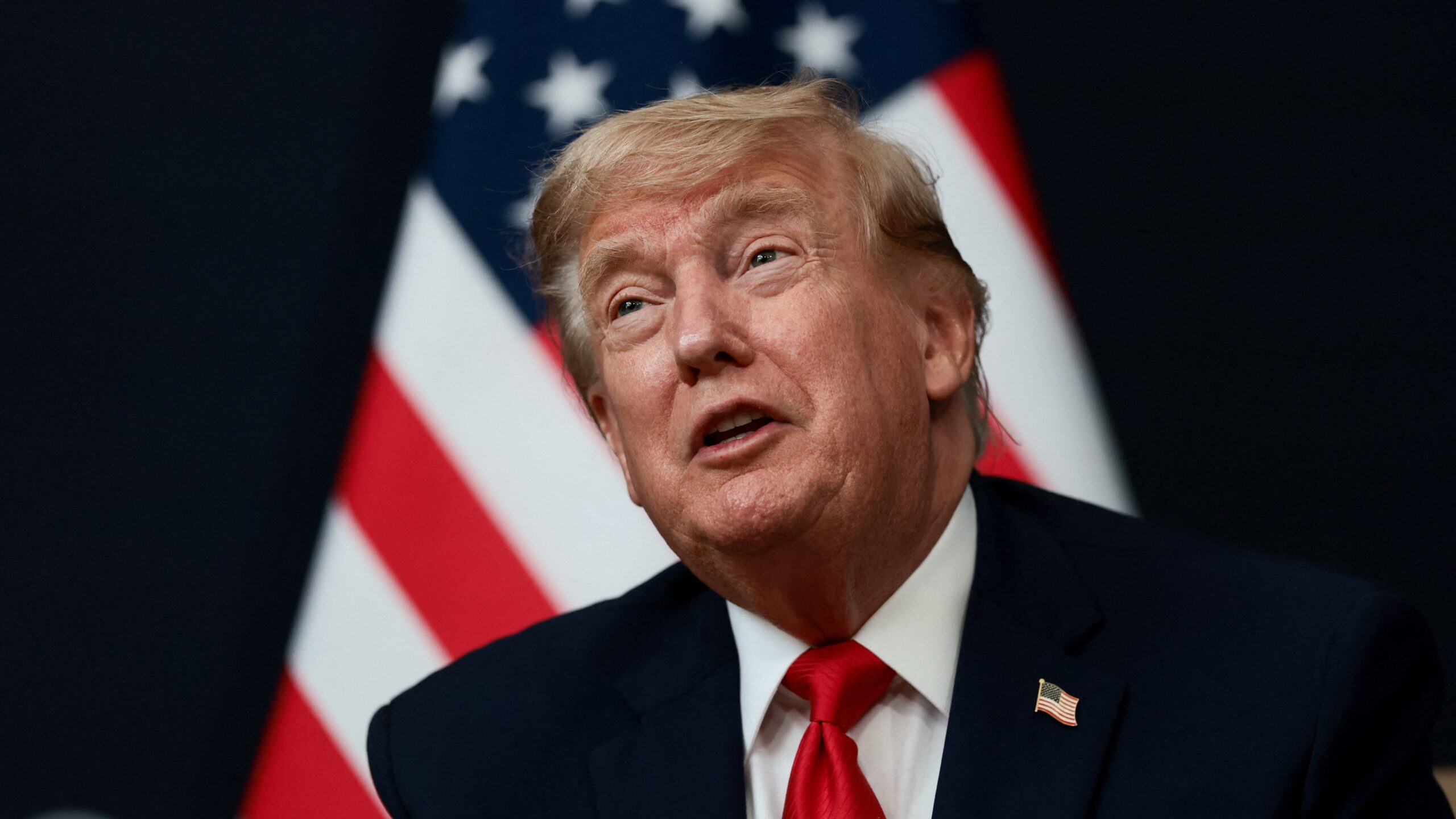
A panicked Trump, 80, told the G7 summit in France on Wednesday that the Iran war that he started on Feb. 28 and has cost U.S. consumers and taxpayers an estimated $132 billion, “could have caused an international depression.”
“I didn’t want to see economic catastrophe. If you kept this going, that could have happened,” he told reporters.
“The one president I did not want to be was the late, great Herbert Hoover,” Trump went on, referring to the U.S president widely blamed for the Great Depression following the 1929 stock market crash.
Without a deal, the market “would go down at levels that nobody ever saw before, maybe except for 1929,” Trump added.
Trump received a blistering response from The Wall Street Journal’s editorial board in a piece titled “Trump Explains Why He Cut a Deal With Iran”, published on Thursday.
The president “was driven by fear of high oil prices and a falling stock market going into the midterm elections.”
The Journal described Trump’s remarks as “a startling admission of U.S. weakness against Iran’s oil weapon.”
Read more ICE Barbie Humiliated in $700M U-Turn Fiasco
The editorial board argued that Washington had alternatives to conceding to Iranian pressure. It suggested the U.S. could have used the U.S. Navy to forcibly reopen the Strait of Hormuz after Tehran effectively closed the critical waterway in response to joint U.S.-Israeli strikes.
The closure of the strait, through which roughly one-fifth of the world’s oil supplies normally flow, sent energy prices soaring.
The Journal concluded that Trump yielded under economic pressure from Tehran.
“The U.S. had options but Mr. Trump blinked at the risk,” the editorial said. “Instead, after two months of cease-fire weakness while the public soured and oil reserves declined, the President acknowledges he gave in to Iran’s economic pressure.”
The tentative deal was “reached from a position of U.S. weakness, not strength.”
“From the deal’s substantial up-front sanctions relief and paucity of corresponding Iranian nuclear commitments, it shows.”
The Journal warned that Tehran could eventually blackmail Washington in the future by threatening to toll or close the Strait unless the U.S. extends negotiations and concedes further.
“This was always the problem with relying on a deal—in essence paying a ransom—to reopen the Strait,” the board added. “Wishful thinking can’t cover up this deal’s origins in White House fears.”
Under the framework, due to be signed on Friday, Iran would be allowed to resume oil exports during negotiations and could secure broader sanctions relief and access to frozen Iranian assets if it meets certain conditions.
The Journal has criticized Trump throughout his second term in the White House, angering the president, who last May said the newspaper had “gone to hell.”
Read more Delusional Trump, 80, Mounts Unhinged Defense of His Surrender
The Daily Beast has contacted the White House for comment.











Post Comment