Trump Nemesis Points Out Gaping Hole in Revenge Case
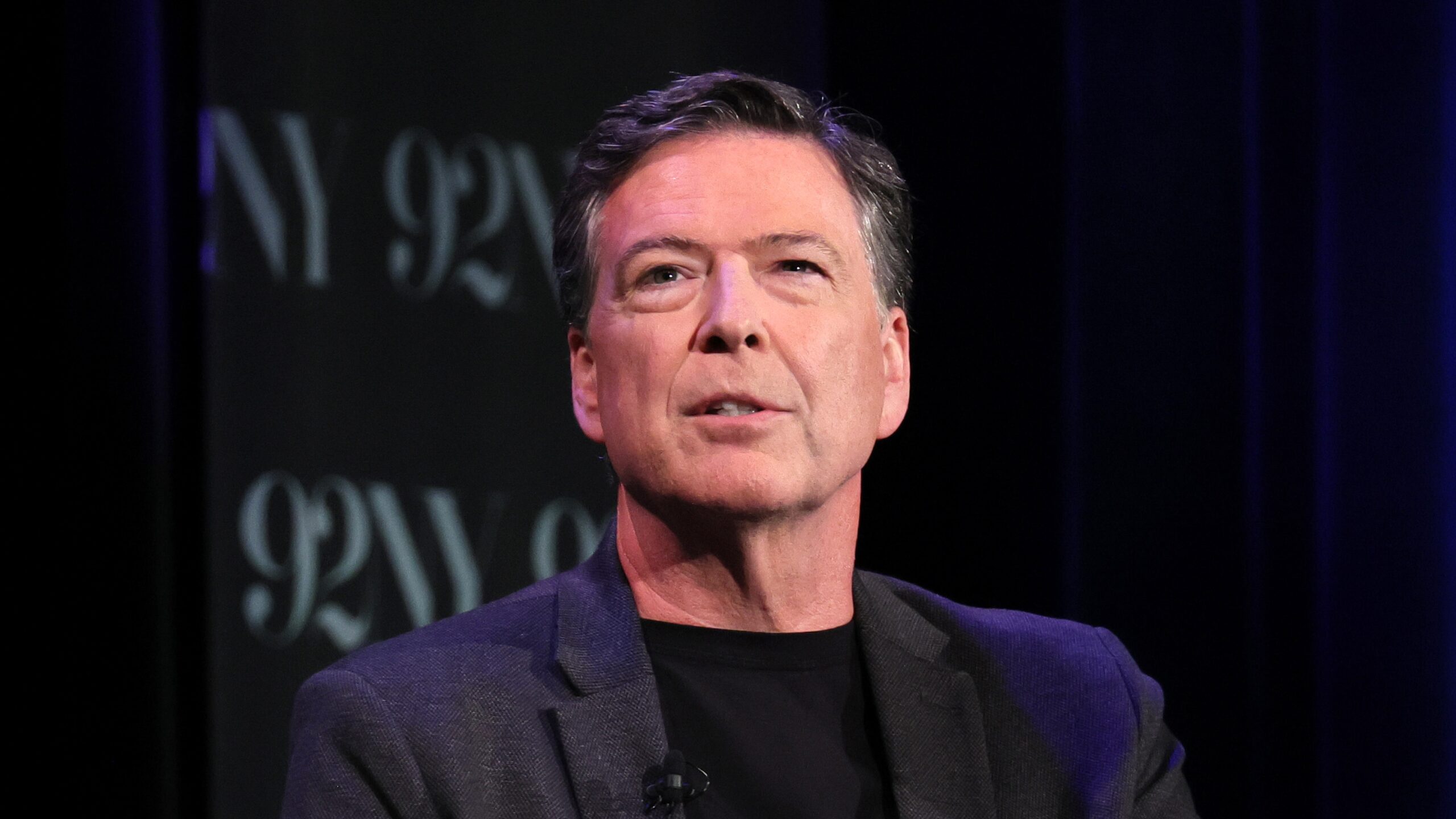
Donald Trump’s Justice Department has conflated two completely separate areas of the law in its revenge case against James Comey, the former FBI director argued in a .
Read more Deported MAGA Stooge Reveals His Bank Balance in Bizarre Move
Comey was indicted in April on two counts of making threats against the president’s life after he took a picture of seashells arranged on the beach to spell out “86 47” and posted the photo to Instagram with the caption, “Cool shell formation on my beach walk.”
The number 86 is sometimes used as slang for tossing something out or getting rid of it—especially in the context of restaurant kitchens—but the government accused Comey of calling for Trump, who is the 47th president, to be killed.
In their latest filing asking the court to throw out the case for lack of a true threat, attorneys for Comey, 65, argued that reasonable people would have interpreted the photo as a political statement, not a call for violence against the 80-year-old president.
But even if someone did interpret “8647” as a call for violence, there’s nothing to indicate that Comey was declaring his intent to kill the president himself, the filing argued.
That’s important because personally threatening to commit violence is a separate, distinct crime from inciting others to commit violence, it continued.
The indictment only charges the crime of a threat, which the Supreme Court has defined as a “serious expression conveying that a speaker means to commit an act of unlawful violence.”
“A call for others to commit violence can only be incitement—which the indictment does not charge,” the filing argued. “The government’s attempt to prosecute an incitement case through a threats indictment violates settled law.”
Incitement has been narrowly defined by the Supreme Court as speech that is directed to inciting or producing imminent lawless action, and that is likely to incite or produce such action.
The filing acknowledged that at least one federal appeals court has found that exhorting others to violence could count as a “true threat” if the people ordered to take violent action are “subject to the will” of the speaker.
Read more Prostitute Crackdown as 5,000 Pent-Up U.S. Sailors Arrive in Sex Work Capital
But no reasonable person would think Comey’s Instagram users were “subject to his will,” the filing argued.
Instead, the government is attempting to “blur the distinction between threats and incitement,” and the case should be thrown out, it continued.
The Daily Beast has approached the Department of Justice for comment.
Comey’s lawyers previously argued their client was a victim of “prosecutorial vindictiveness” after the DOJ spent more than six months trying to make criminal charges against him stick.
Trump has considered Comey an enemy ever since he oversaw the FBI’s investigation into possible ties between the president’s 2016 election campaign and Russian operatives.
Last September, Comey was charged with making a false statement to Congress and obstructing a congressional proceeding, but the case was thrown out when a judge ruled that the indictment was illegally obtained.
The DOJ then turned its focus to the Instagram post.
Comey shared the post nearly a year before charges were brought, in May 2025, and deleted it almost immediately after MAGA loyalists accused him of advocating violence against Trump.
“I didn’t realize some folks associate those numbers with violence. It never occurred to me, but I oppose violence of any kind so I took the post down,” he wrote on Instagram within hours of his original post.
The Secret Service interviewed him at the time and concluded he didn’t pose a threat. Trump, however, eagerly followed the investigation and demanded updates while he was flying home from Europe, according to Comey’s lawyers.
After an indictment was finally secured in April 2026, some DOJ insiders blasted the charges as the worst case they’d ever seen in their lifetimes.
Read more Top Republican Sucks Up to Trump Over Humiliating Nickname












Post Comment