Comey’s ‘86 47′ Trump Seashell Case Gets Even Weirder
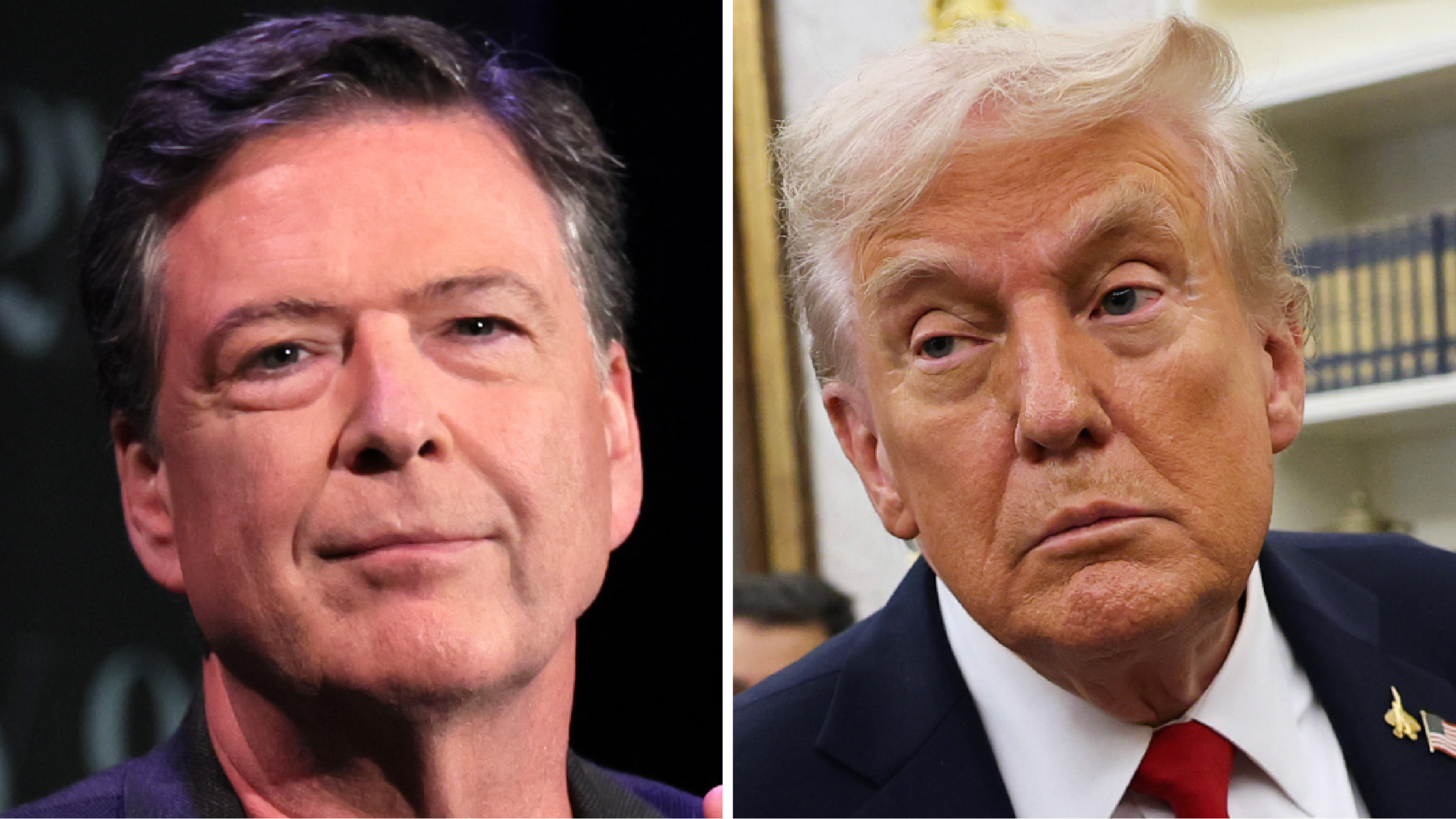
Former FBI Director James Comey has filed a motion to dismiss President Donald Trump’s case against him for an Instagram post, exposing wild new details about how the investigation was conducted.
Read more Putin Hit With Big Setback After U.S. Makes Major Move
Comey, 65, was indicted in April over a post he shared on the platform last May that officials said threatened violence against the 80-year-old president. The post, captioned “Cool shell formation on my beach walk,” showed seashells arranged to spell out “86 47.” In slang, the number 86 can mean tossing something out or getting rid of it. Critics took the post to imply Comey thinks Trump should be killed, given that he is the 47th president.
Then-Homeland Security Secretary Kristi Noem announced an investigation into Comey over the post, which she alleged “called for the assassination” of Trump.
On Tuesday, Comey’s team filed a motion to dismiss the indictment, and the documents attached to that filing revealed a string of bizarre details about the case.
His lawyers argued he was only being pursued because he had criticized the president, and that Comey had established actual “prosecutorial vindictiveness,” since Trump had already set his Justice Department on him once before.
Last September, the department accused Comey of lying to Congress over press leaks, a case that was thrown out after a judge determined that Trump’s attack dog in the matter, Lindsey Halligan, a federal attorney with no prosecutorial experience, had been illegally appointed. “The President harbors genuine animus toward Mr. Comey,” the new filing states.
That animus is nothing new. Trump fired Comey in 2017 over the Russia election interference investigation, and Comey has been a fierce critic of the president ever since. Former Attorney General Pam Bondi failed to make a case against him stick, but the effort appears to have been revived under acting Attorney General Todd Blanche, Trump’s former personal lawyer.
Comey’s lawyers say the White House was so fixated on the initial Secret Service investigation that top officials demanded updates while Trump was flying home from Europe. Law enforcement, they argue, went to extreme lengths to track him down.
According to the documents, federal agents used emergency phone-tracking to follow Comey as he drove from North Carolina to northern Virginia shortly after the post went up. That kind of warrant-free location tracking is supposed to be reserved for true emergencies, requiring law enforcement to claim there is “an imminent threat to life or limb,” one Secret Service official noted in the filings.
Read more Judge Tosses Keystone Kash’s ‘Incompetent Chud’ Lawsuit
Except there was no emergency. When the Secret Service first reached out, Comey declined to share his exact whereabouts but agreed to sit down with investigators in Washington, D.C., the next day. Internal records show agents knew they were crossing a line. One unnamed Secret Service official admitted in a memo, “we did not believe that anyone’s life was in immediate danger and legally it was a bad idea to ping the phone.”
The filings also reveal that, in an effort to prove “86” meant murder, the Justice Department interviewed Salvatore “Sammy the Bull” Gravano, a former mobster who has admitted involvement in more than a dozen killings. He was one of John Gotti’s closest associates and was his underboss in the Gambino crime family.
Comey’s team pointed out that in those interviews, Gravano said real mobsters wouldn’t even use the term, since it’s too obvious. He said law enforcement officials would likely know its macabre connotations, but offered nothing to suggest he believed Comey did. Comey, for his part, deleted the post shortly after sharing it and said he had no idea of its hidden meaning, explaining that he “didn’t realize some folks associate those numbers with violence.”
Search warrant affidavits also cite an unnamed Comey associate, interviewed by the FBI in April, who said they told Comey’s wife, Patricia, about the term’s meaning soon after the post went live, and then contacted the Secret Service, arguing Comey would have known what the numbers meant.
But that associate’s belief was reportedly based on having listened to a Rudy Giuliani podcast, in which the former New York City mayor suggested that Comey’s law enforcement background meant he’d have known the term’s origins. Comey’s lawyers argued that none of his cases ever involved the word, and noted the associate is estranged from him.
Gravano, ironically, ended up helping Comey’s case further when he suggested FBI agents contact longtime prosecutor John Gleeson for his take. “The claim that ’86′ is mafia jargon for ‘kill’ is preposterous,” Gleeson wrote, citing thousands of hours of debriefings and conversations with mafia members in which the term was never used that way.
In an FBI affidavit seeking Comey’s Apple iCloud records, agents even pointed to his May 20, 2025, appearance on The Late Show with Stephen Colbert, where he discussed the seashell post. To justify searching his account, the investigating agent cited a Slate interview with Scandal actress Darby Stanchfield, who described going through “pre-interviews” ahead of late-night appearances, and used her comments to infer that Comey had likely discussed the seashells during his own prep sessions.
Comey’s defense team filed its motion to dismiss on Monday with U.S. District Court Judge Louise Flanagan, arguing that the “86-47” image fails to meet Supreme Court precedent for a “true threat” and that the charges violate his First Amendment rights. Flanagan, a George W. Bush appointee, has set an October 21 trial date for the former FBI director.
Read more eBay Pays $56M to Couple Targeted in Cockroach Harassment Campaign
The White House has been approached for comment.











Post Comment