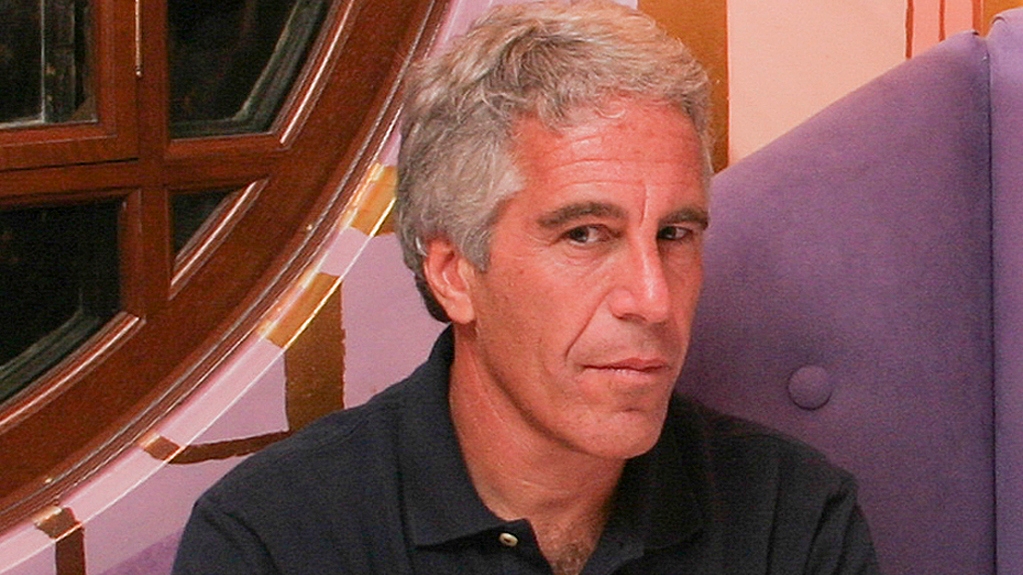
The Twisted Truth About Jeffrey Epstein’s Spy Games Revealed
Jeffrey Epstein’s rumored ties to Israeli intelligence are not what they appear, according to author Michael Wolff.
Read more McConnell Faces Backlash Over Propped-Up ‘Staged’ Photos
Wolff wrote in his latest installment of “The Epstein Diaries” column on his Substack, HOWL, that he knows the true extent of the infamous sex criminal’s intelligence-sharing enterprise, though he was not necessarily an agent of Mossad.
“I can tell you, Epstein wasn’t an Israeli spy, certainly not in the deep state, cross-allegiance, John Le Carre sense,” the author wrote.
Wolff began by highlighting how rumors alleging Epstein worked as an Israeli intelligence asset have swirled even to the highest levels of government, with Vice President JD Vance welcoming them during an appearance on The Joe Rogan Experience podcast earlier this month.
“He clearly had connections to the upper—the highest—levels of American intelligence,” Vance, 41, told Rogan about Epstein. “He clearly had connections to the highest of Israeli intelligence.
However, Wolff noted that the vice president was “instead nodding to a general MAGA conspiratorial view of Epstein, and of a more specific idea of the Israelis working to subvert the U.S.”
“Epstein would not have particularly minded if you thought he was a spy—or at least would have been amused,” the author wrote, adding that though he would have also “considered it a pretty lame view about money, loyalty, and information.”
“The worldwide intelligence economy—or, if you will, gossip economy—had long ago surpassed the reach and depth of the world’s formal intelligence community,” he said.
Wolff described how Epstein instead worked as a “post-modern sort of spy”—with his immense wealth dependent on trading information among so-called elite “players” who dictated power and status.
Read more Trump, 80, Hurls Nasty Insult at Another Female Reporter
“Part of Epstein’s con—or, if you will, marketing prowess—was to make it seem that his information was better than it was,” the author continued. “Everybody in the information trading game was promoting the quality of their intelligence and their access to it.”
“The much more prosaic reality” of his ties to Israel was his friendship with the country’s former prime minister and general, Ehud Barak, Wolff said.
Following his resignation as prime minister in December 2000, “Barak was in need of friends and, helpfully, friends with money,” the author explained. “Likewise, his vestigial status and authority, in addition to his availability, was attractive and useful to Epstein.”
“Barak and Epstein were both pretending to be vastly more relevant and knowledgeable than they were—a pretense of considerable value to both men,” he added. “But a pretense.”
Wolff argued that Epstein’s attachment to Israel was more “obligatory” than anything else, given that his primary contact in Barak was isolated from “the true power in his nation” and “that the Israelis weren’t his kind of Jews.”
“And perhaps most dispositive of the spy scenario, Epstein couldn’t keep his mouth shut,” he continued. “He lived to tell you what he knew, lived in the enjoyment of knowing enough to exaggerate far beyond what he knew. Epstein reveled in knowing that his friends and patrons thought he knew. And, often he did, but having you believe he knew was also enough.”
“Epstein was not a spy. He was a narrator, and while not always a reliable one, his was a story, widely told, about a man who wanted you to know he knew everything,” Wolff concluded. “So a kind of reverse double agent: wanting you to think he could be a spy for Israel, so you might believe everything he told you.”
For more insight and commentary from Michael Wolff, subscribe to HOWL on Substack and gain access to exclusive daily content.











Post Comment